







 Image Source: MODIS Land Rapid Response Team, Wikimedia Commons |
In times of crisis, consumers tend to gravitate towards affordable animal proteins, with chicken meat and eggs historically being reliable options. However, the current conflict in the Middle East threatens the affordability of these go-to protein sources.
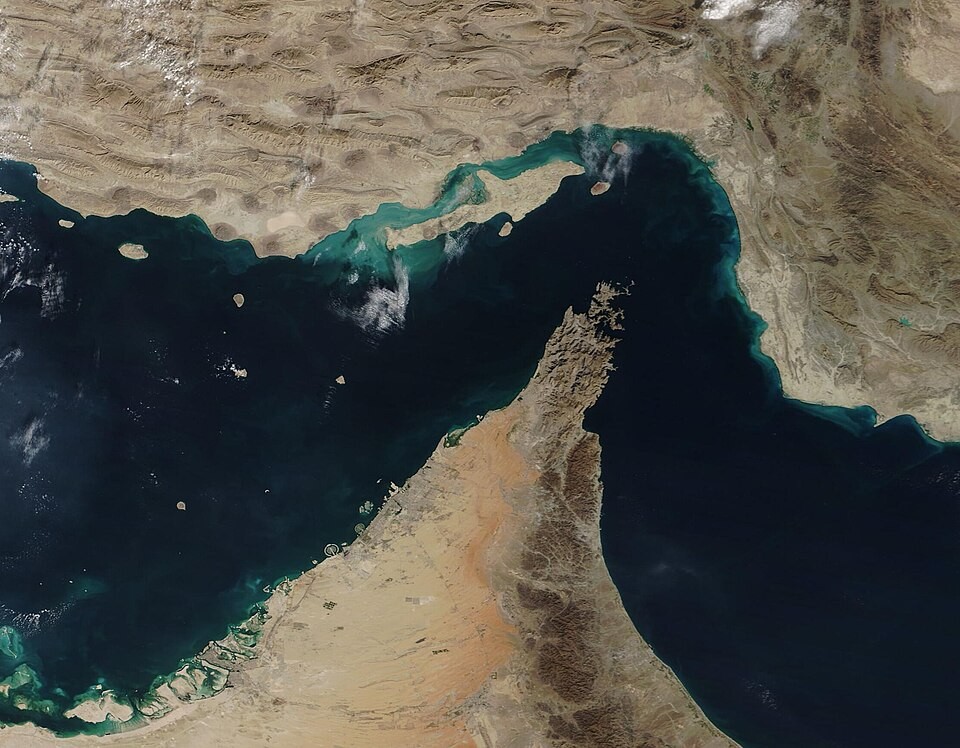
Ripple effects of the Iran War are starting to be felt in Southeast Asia. Following the closure of the Strait of Hormuz, fuel, energy and fertilizer costs have already increased, and according to analysts, so too will the costs of poultry and eggs.
With energy remaining a major cost in every stage of the agricultural production chain, any hike in energy costs is likely to drive global food inflation. Due to oil and liquid natural gas being traded in U.S. dollars, this effect is more pronounced in economies such as Indonesia and Thailand, where the U.S. dollar has strengthened against their currencies. Local farmers are reportedly bearing the brunt of these energy cost impacts.
Poultry feed, another major production cost, is also expected to drive up prices across the board as well. Already reliant on imported feed, Southeast Asia’s poultry producers face even greater pressure to maintain margins amid higher input costs. The Malaysian Poultry Association has warned that persistently high feed costs may influence production decisions down the line, potentially depressing poultry production and threatening the supply of these staple items in the long-term.
The conflict has already disrupted supply chains and production across the globe, with consumers likely to feel the pinch in the coming months. The magnitude of this disruption is still to be determined, but will grow progressively dire the longer the war persists.